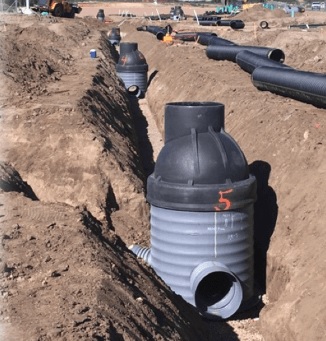
Sewage is the spent or used water from a community. It comes from domestic, commercial, and industrial sources. The collection, treatment, and disposal of sewage is an integral part of the water cycle that maintains the balance of water in nature. Sewage is 99.97% water because by far the greatest volume comes from showers, baths, and washing machines. The rest is dissolved and suspended matter. Sewage also comes from industrial processes. Sewage generally contains less than 0.05 percent solids (or 1 part solid for every 2,000 parts of water). Sewage is disposed of in a sewerage system or network. Icon Water owns and operates the sewerage infrastructure and assets in the ACT. This is the network of pipes that takes sewage away from households and businesses. The network carries the sewage to a treatment plant where it is treated so that it can be safely recycled back to nature. Our sewerage systems are made up of service branch lines from individual homes, which feed into reticulation mains. The mains feed into pump stations and trunk sewers, which then lead to treatment plants. Most sewerage systems are designed to use gravity. Sewage will flow through most sewers without assistance if the pipes have been designed with enough downhill slope. Where pipes cannot slope in this way, sewage pumps are used to push the sewage through the pipes. Most sewage pump stations contain a large well where the sewage collects until it is high enough to start the pump automatically. The pump stops when most of this sewage is pumped away.